- The SAVI Newsletter
- Posts
- Your Coaching Portfolio shouldn't just list facts- it should tell a story
Your Coaching Portfolio shouldn't just list facts- it should tell a story

Tyler Coston
March 27, 2026

Hey SAVI Coaches,
Last week, Tyler talked about getting your next job by becoming a “Permissionless Coach.” (link to Tyler’s in case you missed it)
Let’s take the next step. What happens when you get the interview?
Here are 3 simple ways to approach your next interview.
1. Reframe the interview
You're not just being evaluated, you're evaluating them. Because not every job is a good job. A bigger role or higher level can feel like progress. Sometimes it is. Sometimes it isn't.
Most coaches walk in hoping it works out and trying to prove they're the right fit. They rarely stop to ask if it's the right fit for them.
I was talking to a college coach I consult for, and he was telling me about a friend of his, a college head coach whose team won 3 games last year. No pressure. No expectations. At first, it sounds like ultimate job security. But it's not. If leadership isn't engaged, they won't support you. Without support, it's hard to win and you end up on your own.
That’s why you have to ask questions that help you see clearly.
What does success look like here in year one?
How are tough seasons handled internally?
What support is in place for coaches?
What has held this program back?
You’re not trying to impress. You’re trying to understand what you’re walking into.
2. Tell better stories
Most coaches answer questions in paragraphs. Better candidates answer with stories.
When they ask about your philosophy, your culture, your approach, don't just say it. Show it through something you've done. A moment. A decision. A situation. Stories stand out and are memorable.
If they ask about building relationships with players … tell a story about how you just attended a former player's wedding and how your relationship grew over the course of their time in your program. You get the idea.
There’s a second layer to this.
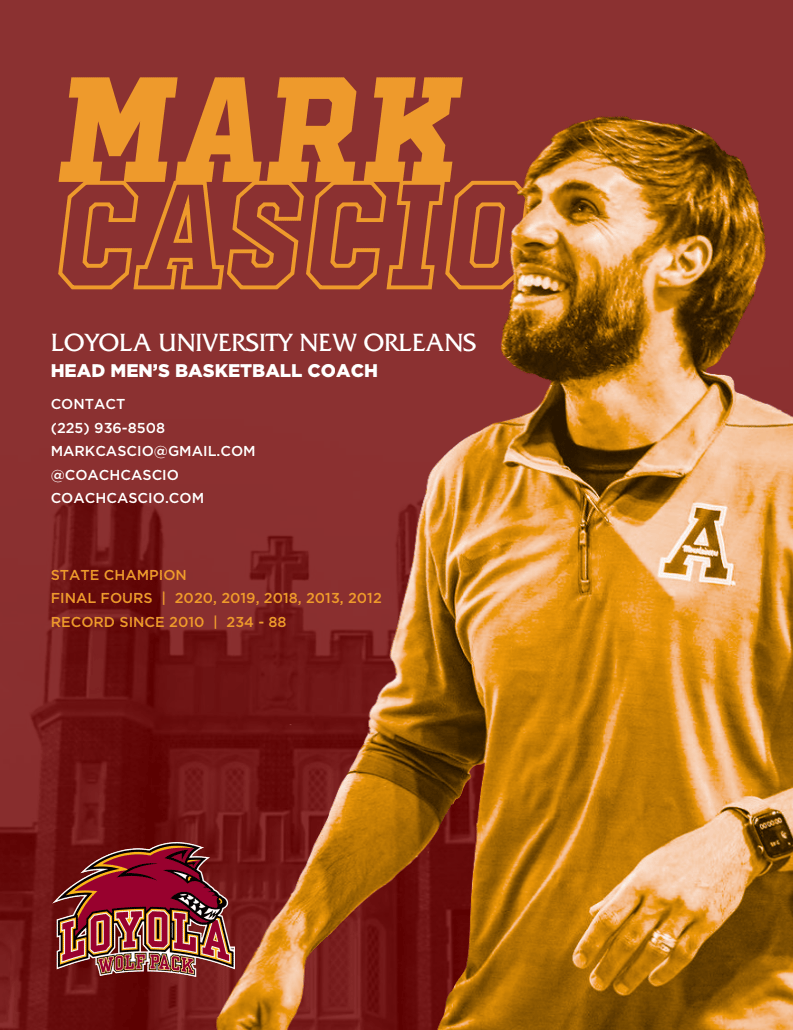
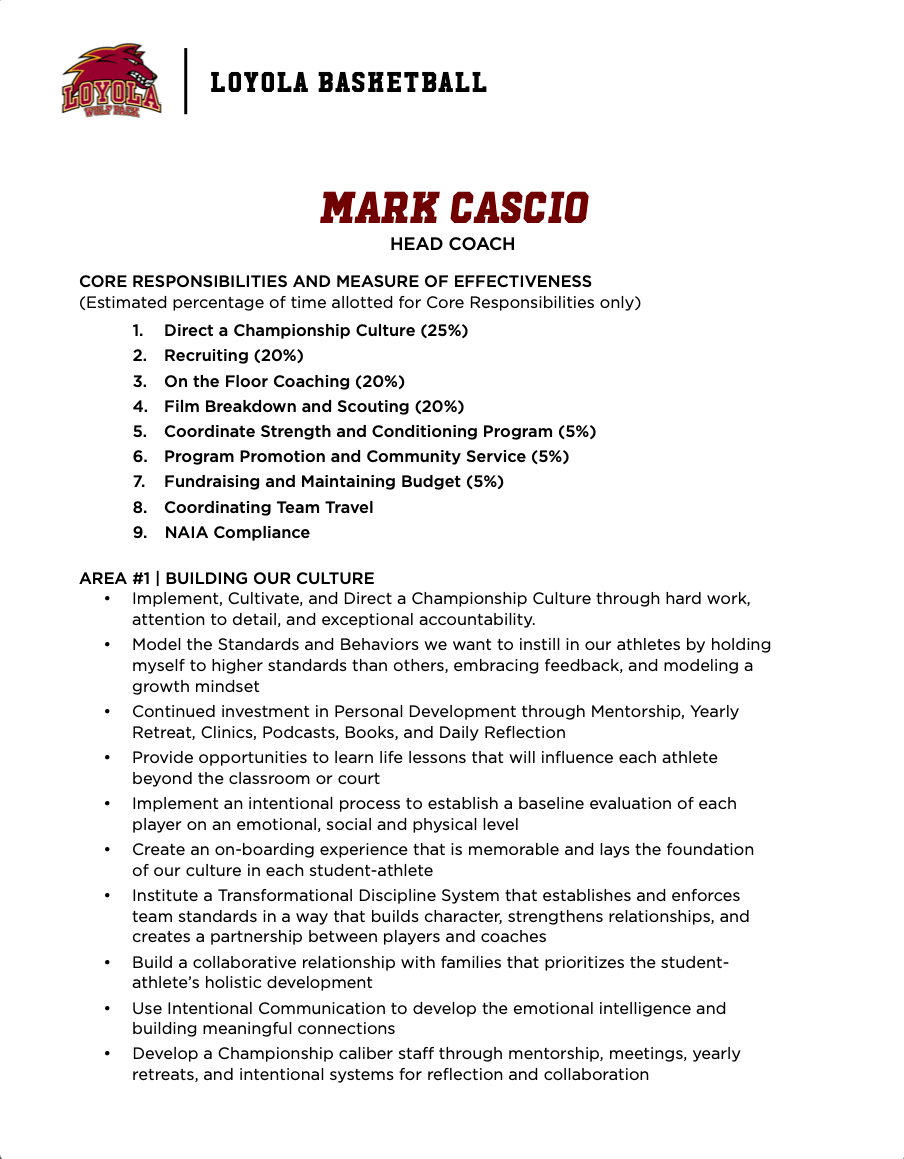
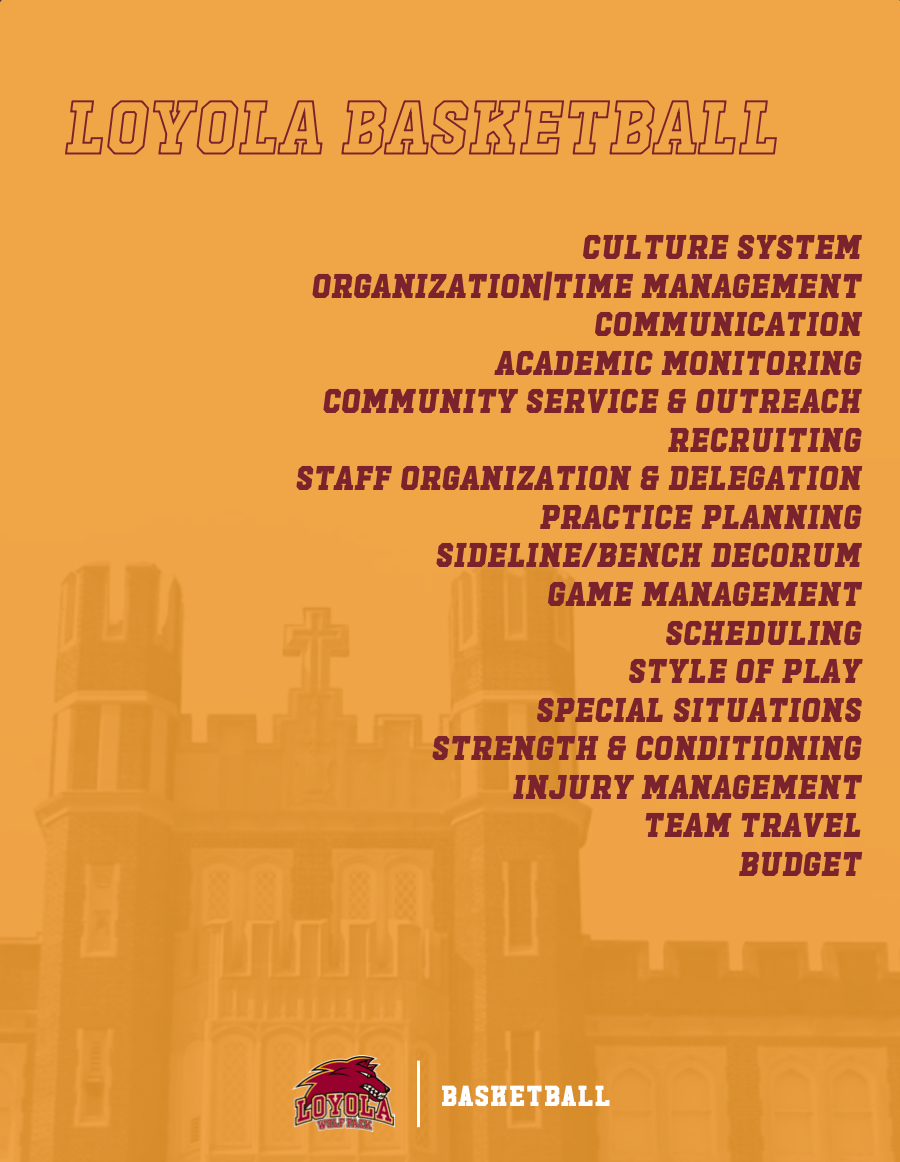
Your portfolio should tell a story too.
Your coaching philosophy
Your vision for the program
How you structure practice
How you communicate with parents
What you value and how it shows up
You’re showing you can take action from day 1. That’s what separates you.
If you want to see my Coaching Portfolio you can grab it inside the free trial.
 |  |  |
3. Separate yourself in the follow-up
Most follow-ups sound the same: “Thank you for your time. I enjoyed the conversation.”
That’s fine. It just doesn’t stand out.
Instead, go back to what mattered to them. What did they emphasize? What sounded important? Then follow up with something useful tied to that. For example:
“I appreciated you sharing how important parent communication is in your program. I attached the structure I’ve used for our first parent meeting. Thought it might be helpful.”
Now you're not just following up, you're adding value. And it shows you were paying attention.
If you take one thing from this: don't just try to get the job. Make sure it's a place you can actually do your best work.
- Stay SAVI, Mark Cascio
P.S. If you liked this, you’ll love our SAVI Coaching Podcast, The Hours. We provide coaching insights every week for your drive or workout. Subscribe here.
P.P.S. If you want to join in on these types of conversations, ask questions, or become a SAVI Coach, you can join our SAVI Basketball Community and get access to all our courses, consulting, and cohorts. Click here to try it FREE for 7 days.
P.P.P.S. Want to discuss how we help coaches at all levels have more fun, score more points, and win more games? Book a discovery call, and we’ll help you solve your biggest problem. Click here to book 15 minutes with us.